Energy storage batteries have become a mainstream accessory for solar power systems. Lithium-ion batteries and lead-acid batteries are the two most widely used types, and many users are planning to replace their old lead-acid batteries with lithium-ion ones.
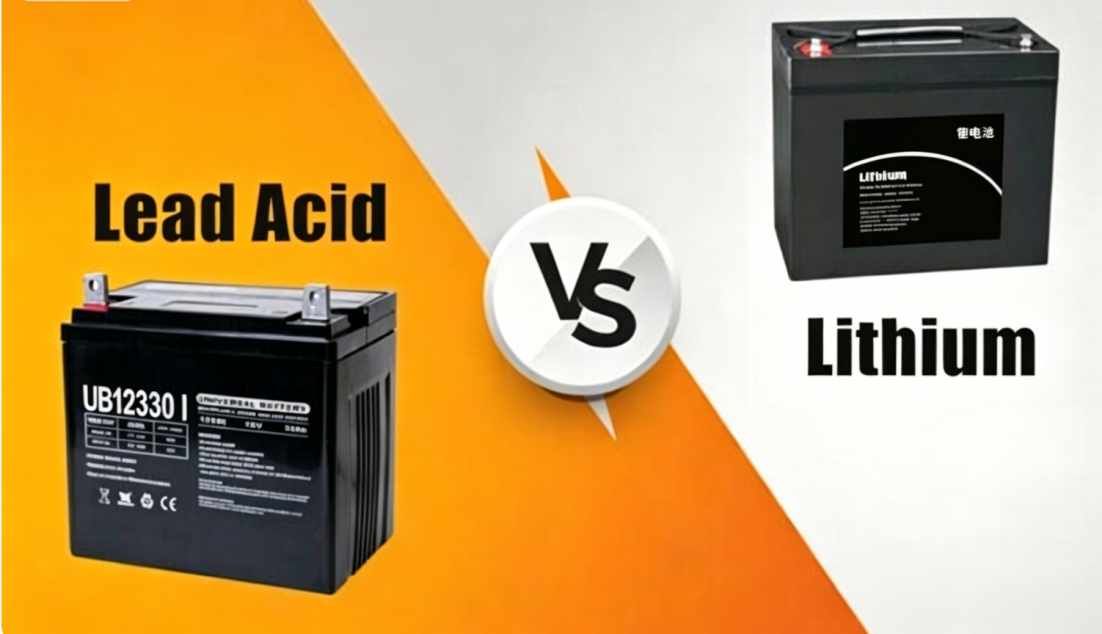
In terms of materials, lithium-ion batteries operate based on lithium ions, while lead-acid batteries mainly consist of lead. Such differences in core compositions lead to distinct gaps in performance and procurement costs. Both types can deliver reliable energy storage. Next, we will compare them and explain why upgrading from lead-acid batteries to lithium-ion batteries has become a popular choice.
1.Cost
The only apparent advantage of lead-acid batteries over lithium-ion batteries lies in cost. A lead-acid battery system can be hundreds or even thousands of dollars cheaper than an equivalent lithium-ion system. Currently, a lithium-ion battery system including installation costs ranges from $5,000 to $15,000, with the price varying according to system capacity.
Though lead-acid batteries generally cost less to purchase and install, lithium-ion batteries make up for this gap with a much longer service life. Below we outline other key features of the two battery types, and explain why lithium-ion systems deliver greater overall value.
2.Capacity
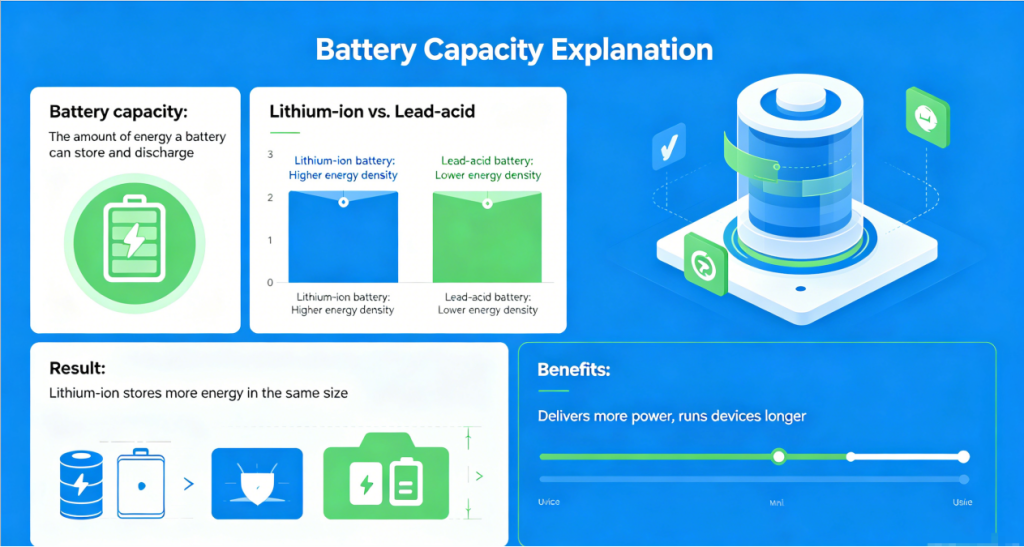
Battery capacity refers to the amount of energy a battery can store and subsequently discharge. While capacity figures vary across different models and manufacturers, lithium-ion batteries are proven to have a higher energy density than lead-acid batteries. This means lithium-ion batteries can hold more energy within the same physical size. Thanks to their greater energy storage capacity, they deliver more power and run electrical devices for a longer time.
3.Weight
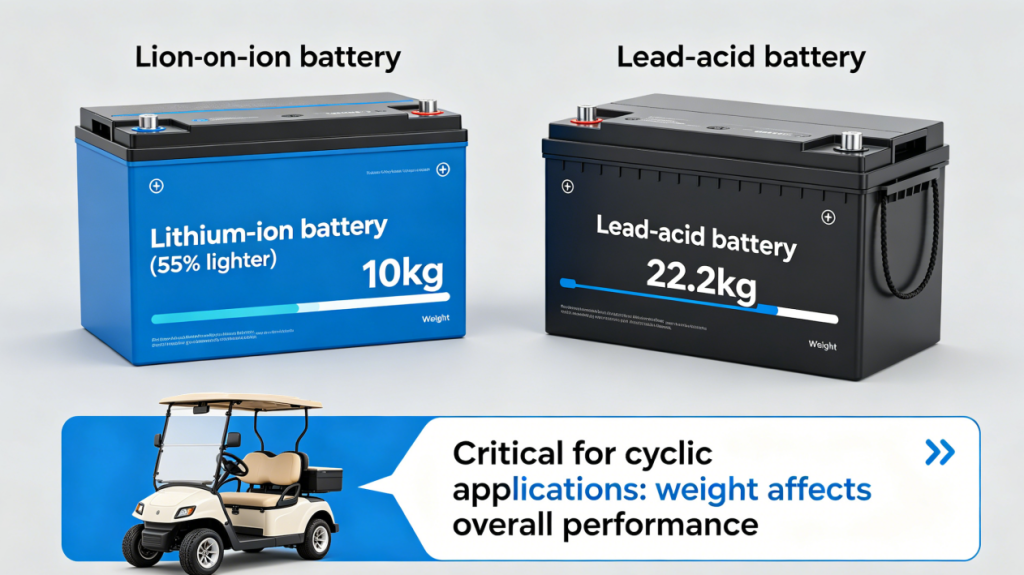
Lithium-ion batteries are on average 55% lighter than lead-acid batteries. This is especially critical for cyclic applications, particularly when the batteries are fitted on mobile devices such as golf carts and scooters, or in scenarios where weight may affect overall performance.
4.Depth of discharge
Depth of discharge (DoD) refers to the percentage of a battery’s total capacity that can be safely drained without causing damage. Lithium-ion batteries can normally be discharged to 85% or more in a single cycle. By contrast, lead-acid batteries should not exceed approximately 50% depth of discharge, otherwise their service life will be shortened. Thanks to its higher depth of discharge, lithium-ion batteries offer greater usable capacity than lead-acid batteries, especially when combined with their superior energy density mentioned above.
5.Efficiency
Just like the efficiency of solar panels, battery efficiency is a key indicator when comparing different battery solutions. Most lithium-ion batteries achieve an efficiency of 95% or higher, meaning over 95% of the stored energy can be effectively utilized. In comparison, the efficiency of lead-acid batteries generally ranges from 80% to 85%. Batteries with higher efficiency charge faster. Similar to depth of discharge, greater efficiency also translates to higher usable battery capacity.
6.High temperature performance
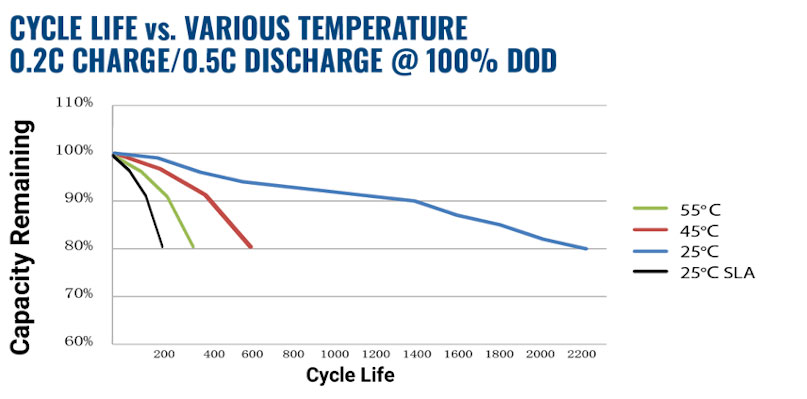
Lithium-ion batteries deliver far better performance than lead-acid batteries in high-temperature environments. In fact, even at 55.
C, their cycle life is twice that of lead-acid batteries at room temperature. Overall, lithium-ion batteries outperform lead-acid batteries in most scenarios, especially under high-temperature conditions.
7.Charge time
Lead-acid batteries are notoriously slow to charge. In most cyclic applications, additional lead-acid batteries are often required to keep operations running while one battery is being charged. For standby applications, lead-acid batteries must be kept in a float-charge state at all times.Lithium-ion batteries charge 45 times faster than lead-acid batteries. This faster charging speed translates to longer usable runtime per battery, meaning fewer total batteries are needed. Furthermore, lithium-ion batteries do not require float-charging for storage, unlike lead-acid batteries.
8.Lifespan
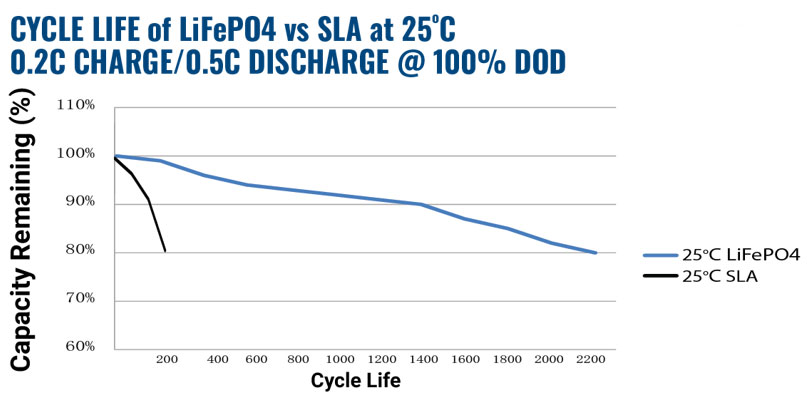
Batteries, much like solar panels, experience gradual performance degradation and efficiency loss over time. One full cycle refers to using a battery to power homes or electrical devices, followed by recharging it via solar energy or the grid. While research findings vary, lithium-ion batteries generally deliver several times more charge-discharge cycles than lead-acid batteries, resulting in a longer service life. In most cases, the cycle life of lithium-ion batteries is ten times that of lead-acid counterparts. This translates to a lower cost per cycle and less frequent replacements.
Why choose lithium-ion batteries over lead-acid batteries?
Lithium-ion batteries outperform lead-acid types in nearly all key aspects. They have higher energy density, deeper discharge capability and superior efficiency. They are lighter, charge much faster and work stably at high temperatures.With a far longer cycle life, lithium-ion batteries need fewer replacements and incur lower long-term costs. They also require less maintenance, making them the ideal choice for solar power systems.